
How Does Seasonal Change Affect Hair Extensions and Color Retouch Intervals?
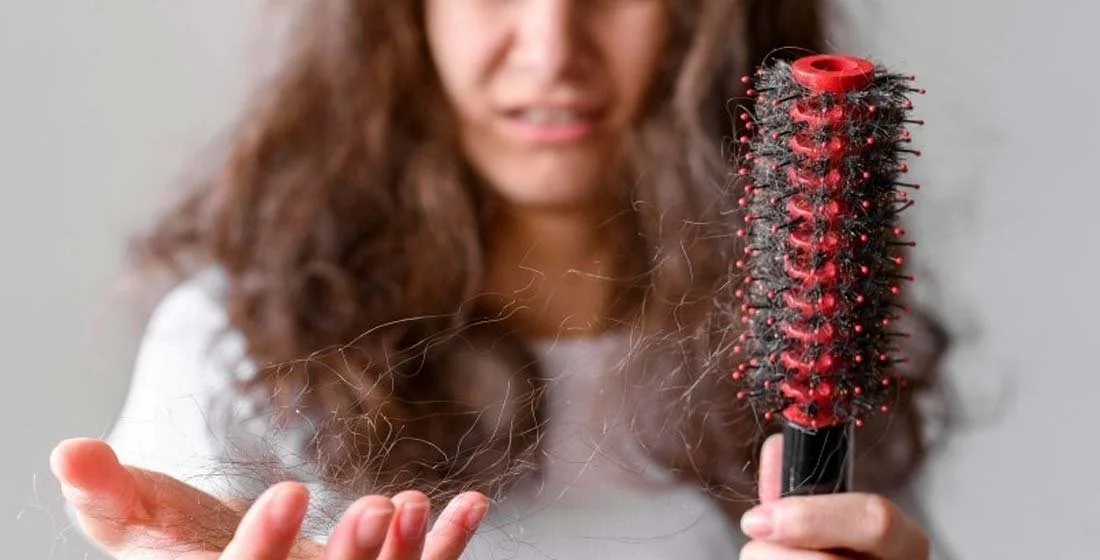
Your hair is constantly responding to its environment, and that includes changes in temperature, humidity, and sunlight. These seasonal shifts don’t just affect natural hair they can also have a significant impact on the longevity and appearance of hair extensions and color-treated hair.
Whether you wear human hair extensions, synthetic blends, or maintain a bright color that requires regular retouching, understanding how the seasons affect your hair is key to keeping it looking healthy and vibrant all year long.
This guide explains how different weather conditions influence your hair extensions and color maintenance, and offers expert tips on adjusting your care routine and salon schedule throughout the year.
Understanding the Relationship Between Climate and Hair
Hair is hygroscopic, meaning it absorbs and releases moisture based on the environment. This property makes hair particularly sensitive to changes in humidity, temperature, and UV exposure all of which vary with the seasons.
Extensions, while durable, are not connected to your scalp’s natural oils, so they rely entirely on external moisture and proper care. Similarly, color-treated hair is more porous, making it vulnerable to weather-related dryness or fading.
By anticipating seasonal changes and adjusting your maintenance habits, you can extend the lifespan of your extensions, preserve color vibrancy, and avoid unnecessary damage.
Spring: Renewal, Growth, and Rising Humidity
Seasonal Conditions
Spring brings increased humidity, rainfall, and fluctuating temperatures. This transition from winter dryness to moisture-rich air can cause both natural and extension hair to swell, frizz, and lose smoothness.
Impact on Extensions
Bonded and tape-in extensions may loosen slightly as moisture affects the adhesive or bonds. The added humidity can also cause frizz and tangling, especially for wavy or curly extensions. Lightweight hydration and anti-frizz products become essential.
Impact on Hair Color
Spring sun exposure begins to intensify, which can dull color-treated hair or cause premature fading. The combination of humidity and mild UV exposure may make cool-toned shades (like ash blondes) turn slightly brassy.
Care Tips
Use sulfate-free, humidity-resistant shampoos and conditioners.
Apply a leave-in conditioner that balances moisture without weighing hair down.
Add a UV-protection spray to prevent fading as outdoor activities increase.
Schedule a light gloss or toner session to refresh color after winter buildup.
Spring is also an excellent time for a professional maintenance check, allowing your stylist to assess extension bonds, adjust placement, and prepare your color for the brighter months ahead.
Summer: Heat, UV Rays, and Increased Maintenance
Seasonal Conditions
Summer brings high temperatures, intense UV radiation, and frequent contact with salt water or chlorine. These environmental stressors can cause dehydration, fading, and tangling for both natural hair and extensions.
Impact on Extensions
Excess heat and sun can dry out extension fibers, leading to brittleness. Human hair extensions, especially lighter shades, may lighten further in the sun. Sweat and sunscreen residue can also weaken adhesive bonds or cause buildup at the roots.
For synthetic extensions, UV rays can cause color distortion and loss of texture.
Impact on Hair Color
Color-treated hair fades faster in the summer due to UV exposure and frequent washing. Blondes may experience yellowing, brunettes may lose depth, and red tones can appear orange or coppery.
Care Tips
Use a hydrating mask once or twice weekly to counter dryness.
Rinse hair immediately after swimming to remove salt or chlorine.
Limit heat styling and let hair air-dry when possible.
Wear hats or scarves to protect your color from direct sunlight.
Schedule color touch-ups every 6-8 weeks (instead of 10-12) to maintain tone and vibrancy.
Summer is the most demanding season for hair maintenance, so protective styles and regular salon visits are key to preventing damage.
Autumn: Transition and Restoration
Seasonal Conditions
Autumn introduces cooler air, reduced humidity, and a return to structured routines. The shift from heat and UV exposure to drier, cooler air can leave both your natural hair and extensions parched.
Impact on Extensions
As humidity drops, static and dryness become common issues. Extension hair can start to lose elasticity and shine, especially if summer care wasn’t consistent. Cooler weather also means more time spent indoors, where artificial heating can dry out hair even further.
Impact on Hair Color
Many people opt for richer, warmer tones in autumn. However, the residual dryness from summer can make color absorption uneven. Regular deep-conditioning treatments help restore balance and prepare hair for seasonal color changes.
Care Tips
Introduce heavier moisturizing products, such as nourishing oils or leave-in creams.
Use a microfiber towel to minimize friction when drying your hair.
Refresh color with low-ammonia or demi-permanent dyes to avoid further dryness.
Schedule professional reconditioning treatments to restore strength and softness.
Autumn is the ideal time to repair damage, rehydrate your extensions, and transition your color into deeper, more seasonal shades.
Winter: Dry Air, Static, and Dullness
Seasonal Conditions
Winter is harsh on both hair and extensions. Cold outdoor air combined with indoor heating robs hair of moisture, causing brittleness and static. Hats and scarves add friction, leading to tangles and matting.
Impact on Extensions
Lack of moisture can make extensions more prone to breakage, especially at the ends. Tape-in or keratin-bonded extensions may become dry and frizzy, requiring regular conditioning. The difference in indoor and outdoor temperatures also affects hair’s elasticity, leading to split ends or loosening of extension bonds.
Impact on Hair Color
Color tends to fade less quickly in winter because of reduced sun exposure, but the lack of moisture can make hair appear dull. Darker winter shades like chocolate, espresso, or burgundy require less frequent touch-ups but benefit from glossing treatments to maintain shine.
Care Tips
Use a rich, hydrating shampoo and conditioner system designed for dry hair.
Apply lightweight oils like argan or jojoba to the ends of extensions.
Install a humidifier in your home to maintain moisture levels in the air.
Reduce washing frequency to retain natural oils.
Schedule retouches every 10 to 12 weeks, as color tends to hold longer in winter.
Winter is all about protection, focus on moisture retention, minimal heat styling, and gentle handling to keep your extensions and color vibrant through the cold months.
Seasonal Influence on Color Retouch Intervals
Seasonal factors significantly affect how often you’ll need to refresh your hair color. The following intervals are general guidelines, adjusted for environmental conditions and hair type.
Spring Retouch Interval
Average interval: 8 to 10 weeks
Spring requires balancing hydration and tone correction after the dryness of winter. A gloss or toner may be enough to maintain brightness until your next full-color session.
Summer Retouch Interval
Average interval: 6 to 8 weeks
Frequent washing, UV exposure, and chlorine accelerate fading. Touch up roots and refresh tone more often, especially for blonde, red, and pastel shades.
Autumn Retouch Interval
Average interval: 8 to 10 weeks
With reduced UV exposure, color tends to last longer. Many choose to deepen or warm their tones in fall, extending retouch intervals slightly.
Winter Retouch Interval
Average interval: 10 to 12 weeks
Cooler temperatures and fewer outdoor activities mean less fading, allowing you to space out appointments. A mid-season gloss can restore shine without a full recolor.
Your stylist may adjust these intervals depending on your hair’s porosity, the type of dye used, and whether you wear extensions that have been previously lightened or toned.
Expert Maintenance Tips Across All Seasons
Prioritize Hydration Year-Round
Moisture balance is the foundation of healthy hair. Regular conditioning masks, especially those containing keratin or natural oils, help maintain elasticity and shine in both extensions and natural hair.
Use Heat Protectants Consistently
Regardless of season, heat styling without protection weakens the hair cuticle and shortens color life. Always apply a thermal shield before blow-drying, curling, or straightening.
Adjust Your Wash Routine
Over-washing strips both color and moisture. Use dry shampoo between washes and rinse with lukewarm water instead of hot to preserve hair integrity.
Schedule Professional Checkups
Visit your stylist every 6 to 8 weeks for maintenance. They can reapply or reposition extensions, tone color, and recommend products suitable for the current season.
Protect Hair While Sleeping
Use a silk or satin pillowcase to minimize friction and static. Braiding extensions loosely before bed prevents tangles and helps retain moisture.
FAQs
Why do hair extensions behave differently when the seasons change?
Seasonal changes bring shifts in temperature, humidity, and sunlight exposure that can affect hair health. Cold winds and freezing temperatures may cause scalp irritation and dryness, while warmer weather and intense heat can strip moisture and lead to seasonal shedding. Adjusting your hair care routine helps keep extensions and color vibrant.
How can I protect my extensions from sun damage and humidity?
During warmer months, shield hair from harmful UV rays with protective hairstyles and lightweight styling products. High humidity levels can make fine hair frizzy and color fade faster, so use coconut oil or argan oil to restore moisture and maintain a healthy shine.
What are the best practices for winter hair care with extensions?
Colder months require extra hydration to prevent dryness and breakage. Use shea butter masks, avoid over-washing, and dry damp hair completely before going out. Loose braids and a gentle clarifying shampoo help maintain scalp health and promote healthy hair growth.
How often should I retouch my color as the seasons shift?
Seasons change how fast your color fades due to sunlight, heat styling tools, and environmental factors. In warmer weather, color retouches may be needed more often. Seek professional guidance to plan retouch intervals that promote healthy hair growth and keep color looking fresh.
Conclusion
Caring for hair extensions and color-treated hair means adjusting your routine with the seasons. Each time of year brings unique challenges, from summer sun to winter dryness, that can affect your hair's health and appearance.
By understanding how seasonal changes affect moisture, color, and bonds, you can work with your stylist to create a personalized maintenance plan. Simple adjustments like using different products, scheduling timely appointments, and focusing on hydration will keep your extensions soft and your color vibrant year-round.
Aligning your hair care with the seasons not only extends the life of your extensions and color but also helps you maintain effortless beauty all year long.
Visit Salon Glam Salon Today
Are you looking for the best hair care in Burnaby? At Salon Glam Salon, we love to help you create a plan and work toward your beauty goal. We restore it. We've been rated one of the best hair salons in Burnaby and have high-quality hair care stylists to back it up. So what are you waiting for, Book an appointment with us today!