
How Does Your Scalp Health Affect Color Retention and Extension Wear?
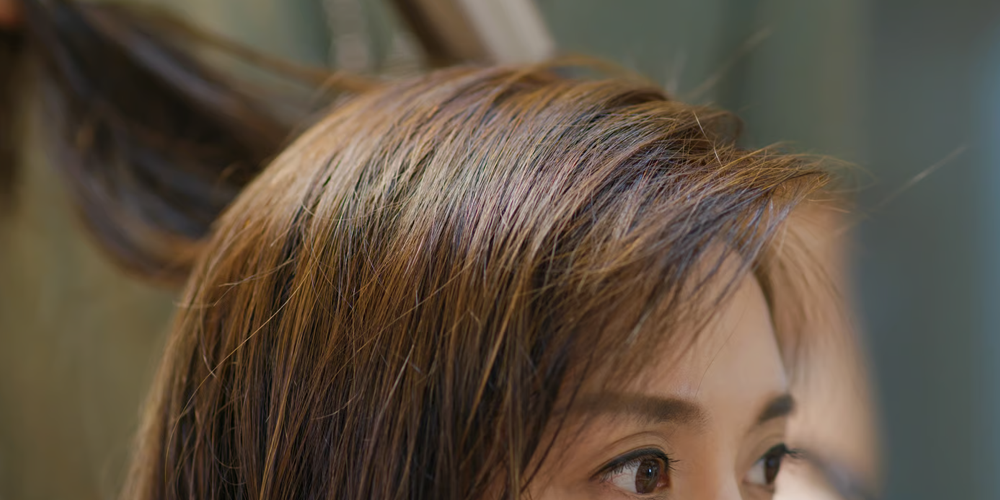
When it comes to achieving beautiful, lasting color or flawless extensions, most people focus on products, techniques, and maintenance routines. Yet one crucial factor often goes unnoticed: the scalp.
Your scalp isn’t just skin under your hair; it’s a living environment that determines how well color adheres, how extensions stay secured, and how healthy your natural hair remains. A balanced, well-nourished scalp promotes consistent color absorption, supports healthy regrowth, and ensures that extensions attach firmly and last longer.
Neglecting scalp health, on the other hand, can lead to dull color, faster fading, excessive oiliness, or even premature extension slippage. Understanding how your scalp condition influences results allows you to protect your investment and maintain vibrant, healthy hair for longer.
Why Scalp Health Matters More Than You Think
A healthy scalp is the foundation for strong, vibrant hair, much like fertile soil is essential for growth. The scalp’s thousands of follicles produce natural oils and nutrients vital for hydrated, resilient strands.
However, buildup and imbalance can suffocate follicles, leading to dryness, breakage, and uneven color uptake. Maintaining a clean, balanced scalp is key to supporting healthy hair growth.
The scalp also acts as a protective barrier, locking in moisture and regulating pH levels. Proper microcirculation delivers nutrients to follicles, ensuring even pigment absorption and enhancing color vibrancy and retention.
How Scalp Health Influences Hair Color Retention
Even the most advanced salon color can fade prematurely if your scalp isn’t in good condition. Here’s how it directly affects your results.
Oil Imbalance Alters Color Longevity
An overly oily scalp can dilute color molecules, preventing dye from setting properly. Conversely, a dry scalp with minimal oil production makes hair porous, causing color to wash out more quickly.Product and Sebum Buildup Interfere with Color Application
Residue from styling products, dry shampoo, or environmental pollutants forms a barrier that blocks even pigment penetration. This leads to patchy or uneven results after coloring.Scalp Sensitivity Impacts Color Choice
If your scalp is irritated or flaky, color application can cause discomfort or chemical burns. Professionals often need to adjust formulas or avoid strong dyes altogether to protect compromised skin.Inflammation Affects Pigment Retention
Conditions like dandruff, psoriasis, or seborrheic dermatitis increase scalp inflammation. This disrupts the hair cuticle’s ability to hold color, leading to faster fading or inconsistent tone.Circulation Determines How Well Hair Recovers Post-Color
Healthy scalp circulation ensures the hair recovers faster after chemical exposure. This means less breakage, better shine, and longer-lasting color vibrancy.
In short, healthy scalp = healthy color. Maintaining the right environment before and after coloring is just as vital as the formula used.
How Scalp Health Affects Extension Wear
Extensions may look like they only rely on strand quality, but the true anchor point is your scalp. Its oil balance, texture, and health all influence how well extensions hold and how long they last.
Excess Oil Weakens Adhesive Bonds
Tape-in or keratin-bonded extensions require a clean, balanced surface to attach properly. Excess scalp oils can cause tapes or bonds to slide, reducing lifespan and stability.Dryness Causes Flaking and Slippage
When the scalp is too dry, it sheds more skin cells, creating buildup near attachment points. This weakens adhesion and can cause premature lifting.Sensitivity or Inflammation Increases Discomfort
Extensions put gentle tension on the scalp. If the skin underneath is already inflamed, even light extensions can feel tight, itchy, or painful, making wear uncomfortable or unsustainable.Product Buildup Interferes with Attachment
Silicones, heavy conditioners, and dry shampoos leave residues that break down adhesive or clump near micro-links. Regular scalp cleansing ensures a clean surface for extensions to grip securely.Poor Circulation Affects Natural Hair Support
Extensions rely on your natural hair’s strength for anchoring. A poorly nourished scalp weakens the roots, increasing the risk of shedding and thinning beneath the extensions.
Common Scalp Issues That Impact Results
Several common scalp issues can compromise the final outcome of your hair color or extensions.
Conditions like a dry, flaky scalp or an overly oily one can affect how well color is absorbed and how securely bonds adhere. Similarly, product buildup from styling products creates a barrier on the scalp, blocking color penetration and clogging follicles.
Furthermore, scalp sensitivity and redness can lead to an adverse reaction to chemicals, causing stinging or uneven color. Microbial imbalances, such as dandruff, also disrupt the scalp’s health, impacting both color stability and the comfort of hair extensions. Addressing these issues is crucial for achieving optimal salon results.
How to Prepare Your Scalp Before a Color or Extension Appointment
A little preparation can dramatically improve your results. Here’s how to get your scalp ready before your next salon visit.
Exfoliate the Scalp
Use a gentle scalp scrub or a detox shampoo once a week before coloring. This removes buildup and excess oil, ensuring even pigment absorption.Hydrate and Nourish
Apply a lightweight scalp serum or natural oil like jojoba or argan a few days before coloring. This keeps your skin barrier strong and resilient.Avoid Heavy Products Before Extensions
In the days leading up to an extension appointment, skip leave-ins and silicones. A clean, natural scalp surface allows adhesives to bond effectively.Do Not Wash Right Before Color
Your natural oils act as a mild protective layer during coloring. Washing the same day can make your scalp more sensitive to chemicals.Check for Sensitivity
If you experience itching or flaking, alert your stylist. They can perform a patch test or adjust the formula to prevent irritation.
Post-Appointment Scalp Care Tips
Once your color or extensions are in place, proper scalp care becomes even more important for maintaining longevity and comfort.
Keep the Scalp Clean, Not Stripped
Use a gentle, sulfate-free shampoo to remove buildup without disturbing your color or adhesive bonds. Cleanse thoroughly at the roots while keeping the mid-lengths and ends moisturized.Massage Regularly
A daily 2-minute scalp massage boosts circulation and helps distribute natural oils evenly. This supports color vibrancy and strengthens roots beneath extensions.Avoid Overheating the Scalp
When using heat styling tools, avoid applying direct heat near the root or bond area. High temperatures can irritate the scalp or loosen extensions.Hydrate Between Washes
Mist your scalp with a light leave-in spray to maintain moisture balance, especially if you live in a dry climate or use indoor heating frequently.Use a Silk Pillowcase
This reduces friction while sleeping, protecting both your color and your extensions from tangling or dryness.
Nutrition and Lifestyle: The Internal Connection
Beyond topical products, a balanced scalp significantly relies on internal health. Maintaining adequate hydration by drinking at least eight glasses of water daily is crucial, as dehydration can disrupt sebum production, leading to flakiness.
Additionally, a diet rich in zinc, omega-3 fatty acids, and vitamins A, D, and E supports the scalp’s oil balance and barrier function. Managing chronic stress is also vital, as it can imbalance hormones, affecting scalp oil production and blood circulation, which impacts hair health.
Furthermore, limiting frequent exposure to harsh chemical services prevents scalp sensitivity and helps preserve both color and extensions.
When to Seek Professional Scalp Treatment
If you notice persistent flaking, redness, or itching, your scalp may need professional attention. A salon or trichologist can perform a scalp analysis to identify:
Sebum overproduction or deficiency
Follicle clogging or buildup
Signs of inflammation or sensitivity
Microbial imbalance
They may recommend targeted treatments such as exfoliating peels, soothing masks, or oxygenation therapies to restore balance before your next color or extension service.
Long-Term Benefits of a Healthy Scalp
Investing in scalp care pays off far beyond the salon chair. With consistent maintenance, you can expect:
Improved color vibrancy: pigments adhere more evenly and last longer
Stronger natural hair: healthy follicles produce thicker, shinier strands
Extended extension wear: bonds stay secure, and shedding is minimized
Reduced sensitivity: fewer reactions to dyes or adhesives
Overall comfort: a balanced scalp feels clean, calm, and itch-free
By prioritizing scalp health, you not only protect your color and extensions but also enhance the overall quality of your hair.
FAQs
How does scalp health impact color retention and hair extensions?
A healthy scalp supports the hair follicle and improves blood flow, which promotes healthy hair growth and overall hair health. When the scalp’s skin is balanced, it enhances moisture retention along the hair shaft and prevents color fading in both your own hair and human hair extensions.
Can an unhealthy scalp affect the coloring process?
Yes. Product buildup, oil imbalance, or scalp irritation can interfere with the dyeing process, causing uneven tones and poor color absorption. Before coloring hair extensions or bleached hair, cleanse gently and perform a strand test to ensure desired color and hair integrity.
How can I protect colored hair and extensions from damage?
Use heat protectant sprays before blow dryers or curling irons, and shield against UV rays with argan oil or leave-in conditioner for UV protection.
What’s the best way to maintain scalp and hair balance?
Incorporate oil treatments, deep conditioners, and products specifically formulated for color extensions or chemically treated hair. Avoid box dyes, use a swim cap to prevent sun damage, and add vitamin C or healthy fats to your diet to protect color and maintain high-quality hair extensions.
Conclusion
Your scalp plays an essential role in achieving successful color and extension results. Its health directly affects how pigments absorb, how extensions attach, and your overall comfort.
When your scalp is balanced and nourished, it promotes even color application, vibrant tones, and secure, comfortable wear. Combining professional scalp treatments with consistent at-home care such as gentle cleansing, proper hydration, balanced nutrition, and regular check-ins helps maintain optimal scalp health.
Lasting color and seamless extensions do not start in the salon chair; they begin with the care you give to the skin beneath your hair.
Visit Salon Glam Salon Today
Are you looking for the best hair care in Burnaby? At Salon Glam Salon, we love to help you create a plan and work toward your beauty goal. We restore it. We've been rated one of the best hair salons in Burnaby and have high-quality hair care stylists to back it up. So what are you waiting for, Book an appointment with us today!