
Can You Use the Same Aftercare Routine for Colored Natural Hair and Extensions?
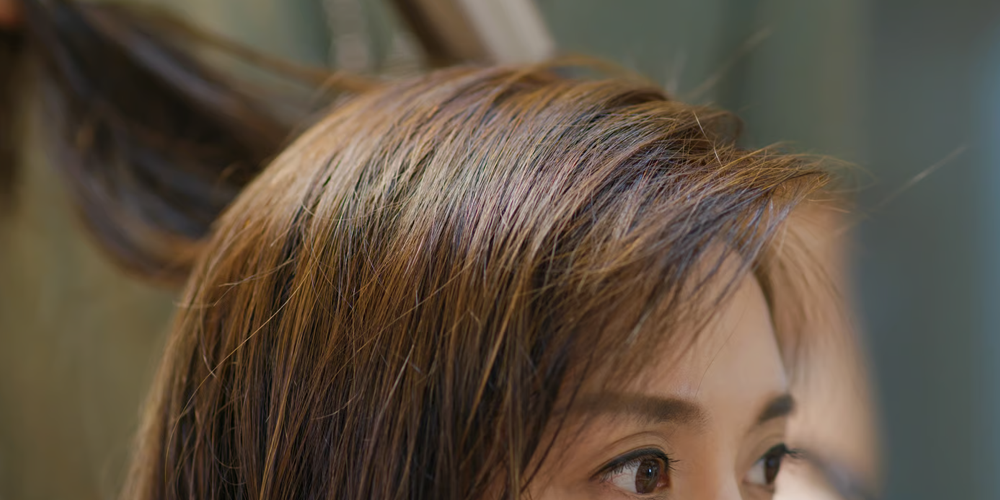
Colored natural hair and extensions both require dedicated care, but their needs are not always identical. While it may seem convenient to use the same aftercare routine, the differences in structure, moisture retention, and product absorption make it important to treat them separately.
Natural hair has active follicles that produce oils, helping it stay hydrated and resilient after coloring. Extensions, however, rely solely on external nourishment and can dry out or fade faster if not cared for properly. Using the wrong products or techniques can shorten their lifespan or affect color vibrancy.
Understanding how each reacts to moisture, heat, and styling helps you create a balanced routine that maintains shine, strength, and long-lasting color for both.
Understanding the Difference Between Natural Hair and Extensions
Natural hair and extensions may appear similar once styled, but they differ greatly in structure and maintenance needs. Natural hair grows from the scalp, receiving constant nourishment from natural oils and nutrients produced by hair follicles. This built-in moisture system helps maintain elasticity, strength, and color retention when cared for correctly.
Extensions, on the other hand, are detached from their natural root source. Whether made from human or synthetic fibers, they lack oil flow and depend entirely on external hydration through products and treatments. Colored extensions can fade faster or become dry if not maintained with gentle, moisture-rich care.
Additionally, extensions react differently to heat, styling tools, and water exposure. Understanding these distinctions helps ensure both your natural hair and extensions remain soft, vibrant, and healthy, even after color treatments or frequent styling.
Why Aftercare Matters for Colored Hair
Coloring your hair can be an exciting way to refresh your look, but the process fundamentally changes the structure of each strand. Whether you choose highlights, balayage, or a full-color transformation, your hair goes through a chemical process that lifts the cuticle layer to deposit pigment.
This action leaves the hair more porous, dry, and vulnerable to external damage. Without the right aftercare, the color fades quickly, texture becomes rough, and natural shine disappears. Proper maintenance is therefore essential not only for preserving vibrancy but also for maintaining overall hair health.
The Science Behind Color-Treated Hair
When dye penetrates the hair shaft, it alters the internal structure. Permanent color relies on ammonia or similar agents to raise the cuticle and peroxide to lighten the natural pigment. This process strips away some natural oils and weakens the protein bonds that give hair its strength and elasticity.
As a result, colored hair is less able to retain moisture and is more reactive to heat, sunlight, and environmental pollutants. Without replenishment, it becomes brittle and loses vibrancy much faster than uncolored hair.
Moisture and Hydration
The most important part of colored hair aftercare is moisture. Since the cuticle remains partially open after coloring, hydration escapes more easily. Using a sulfate-free, pH-balanced shampoo helps maintain the cuticle’s integrity while gently cleansing the scalp and strands.
Hydrating conditioners and deep treatment masks infuse moisture back into the hair fiber, restoring softness and shine. Ingredients such as argan oil, coconut oil, shea butter, and hyaluronic acid help lock in hydration and smooth frizz, preventing that dull, lifeless appearance.
Protecting Against Heat and UV Exposure
Colored hair is especially sensitive to temperature and sunlight. Excessive heat styling causes pigment molecules to fade, and UV rays accelerate oxidation, leading to unwanted brassiness or uneven tones. Always apply a thermal protectant spray before using styling tools like straighteners or curling irons.
For outdoor protection, a UV-blocking mist or lightweight leave-in conditioner can shield your hair from environmental stress. Wearing hats or scarves on sunny days also helps prevent fading and dryness.
Washing and Water Temperature
Frequent washing can cause premature color fading. Limit shampooing to two or three times a week and use dry shampoo between washes if necessary. When washing, use cool or lukewarm water instead of hot water. Cooler water helps seal the cuticle, trapping pigments inside and maintaining color brilliance.
Hard water, which contains minerals such as calcium and copper, can distort the tone of colored hair over time. Installing a shower filter or using a chelating shampoo once a week removes mineral deposits and keeps your color clear and vibrant.
Nutrition and Strength Repair
Chemical coloring weakens the internal bonds of hair. Regular protein and bond-repair treatments are crucial for restoring structural integrity. Products containing keratin, amino acids, or peptides rebuild the protein matrix that supports strength and elasticity.
Alternating between moisture-based and protein-based treatments provides balance, preventing both dryness and stiffness. For daily care, a leave-in treatment can add light nourishment and help detangle without causing buildup.
Professional Maintenance
Even with perfect at-home care, professional upkeep ensures color stays true. Schedule salon visits for toner refreshes or gloss treatments every six to eight weeks. These services rebalance pigment, counteract fading, and restore shine.
Regular trims also help remove split ends, which tend to absorb and reflect light unevenly, dulling the appearance of color. Consulting your stylist about your hair’s specific needs ensures that both tone and condition remain flawless between appointments.
Lifestyle and Daily Habits
Beyond products, small daily habits make a difference. Avoid tying your hair tightly, as this can cause breakage on weakened strands. Sleep on a silk or satin pillowcase to reduce friction and moisture loss overnight. Stay hydrated and eat a nutrient-rich diet to promote strong, healthy growth from within.
Limiting exposure to chlorinated or salt water also preserves color longevity. If swimming, coat your hair with a protective conditioner and rinse immediately afterward.
Shared Aftercare Essentials
Colored natural hair and extensions share core care habits that preserve tone, softness, and strength. Use sulfate-free shampoo and a nourishing conditioner to cleanse gently without stripping pigment. Wash with cool or lukewarm water to help seal the cuticle and retain color.
Before heat styling, mist a heat protectant to guard against dryness and breakage. Each week apply a hydrating mask or leave-in conditioner to restore moisture balance and improve elasticity. Detangle with a soft brush starting at the ends and working upward to avoid tension at roots and attachments.
Schedule regular trims to remove split ends that scatter light and dull shine. Sleep on a silk or satin pillowcase to minimize friction, reduce tangles, and maintain smoothness. Protect hair from sun, chlorine, and saltwater by using UV sprays, rinsing with fresh water, and cleansing promptly after swimming. Choose color-safe styling creams, avoid excessive brushing, and store clip-ins clean and flat between uses.
Aftercare Steps Unique to Natural Hair
Deep Hydration and Moisture Retention
Colored natural hair often becomes dry because the coloring process lifts the cuticle layer, allowing moisture to escape more easily. Deep hydration is essential to restore elasticity and softness. Incorporate weekly deep-conditioning treatments with ingredients like shea butter, avocado oil, aloe vera, or argan oil. Steam treatments also work wonders by opening the cuticle and allowing moisture to penetrate deeply. After rinsing, use a leave-in conditioner to maintain hydration throughout the week.
Scalp Care and Oil Balance
Healthy colored hair starts with a well-nourished scalp. Chemical coloring can sometimes cause dryness or sensitivity at the roots, so gentle scalp care is essential. Use a lightweight oil such as jojoba, grapeseed, or tea tree oil to massage the scalp two to three times a week. This boosts blood circulation, reduces flaking, and supports healthy regrowth. Avoid heavy oils that can clog follicles or attract dirt.
Protein Treatments for Strength Restoration
Coloring weakens the protein structure of natural hair, making it more vulnerable to breakage. Protein treatments rebuild the internal bonds that support strength and elasticity.
Look for products containing keratin, silk amino acids, or hydrolyzed wheat protein. Alternate between moisture and protein treatments to maintain balance; too much protein can make hair feel stiff, while too little leaves it weak.
Protective Styling to Minimize Damage
After coloring, natural hair benefits from protective styles that reduce manipulation and environmental exposure. Braids, twists, buns, and updos keep ends tucked away and protect against friction or dryness. However, styles should not be too tight, as tension can cause stress on already fragile strands.
Gentle Cleansing and Product Selection
Colored natural hair needs mild cleansing to prevent pigment loss. Choose sulfate-free shampoos that remove dirt without stripping essential oils. Clarifying shampoos can be used once a month to remove buildup, followed by a hydrating conditioner.
Heat Management and Styling Practices
Limit heat styling as much as possible. When heat is necessary, always use a protectant spray to minimize damage. Air drying is best, and when detangling, use a wide-tooth comb or fingers on damp, conditioned hair to prevent breakage.
Night Care Routine
Protecting your hair while you sleep helps maintain moisture and prevent tangles. Use a satin or silk bonnet, scarf, or pillowcase to reduce friction. For added protection, lightly apply leave-in conditioner or oil before bed to lock in hydration overnight.
Aftercare Steps Unique to Extensions
Gentle Washing and Handling
Extensions, whether fusion, tape-in, or clip-in, do not receive natural oils from the scalp, making them more prone to dryness and tangling. Washing them gently is crucial to preserve their quality. Use a sulfate-free, lightweight shampoo and wash in downward motions to avoid knotting.
Conditioning and Moisture Maintenance
Hydration is key to keeping extensions soft and manageable. Apply conditioner from mid-length to ends, avoiding the root area where bonds or tapes are attached. Heavy or oily products near these points can cause slippage or buildup.
Brushing and Detangling Techniques
Use a loop or soft-bristle brush designed for extensions. Start detangling from the ends and work upward, holding the hair near the roots to prevent pulling on the bonds or clips.
Heat Styling and Protection
Extensions can be styled like natural hair, but always apply a thermal protectant first. Avoid direct heat near keratin bonds or adhesive tapes. Air drying is preferable when possible, as frequent heat exposure shortens their lifespan.
Sleeping and Storage Care
Before sleeping, loosely braid your hair or tie it in a low ponytail. Use a silk or satin pillowcase to reduce friction. Remove clip-ins before bed and store them flat or in a breathable pouch to prevent tangling or color fading.
How to Layer Both Routines for a Balanced Approach
Start with Scalp Care: Cleanse gently to remove buildup without disturbing extensions.
Alternate Treatments: Deep condition your natural hair weekly and apply lightweight serums to extensions midweek.
Focus Product Placement: Apply hydrating products to natural roots and mid-lengths while avoiding extension bonds or clips.
Use Cool Water for Rinsing: Wash both with cool or lukewarm water to seal cuticles and preserve color.
Combine Heat and UV Protection: Apply protectant sprays before heat styling or outdoor exposure.
Coordinate Salon Maintenance: Schedule professional checkups for toner refreshes, bond inspections, and hydration treatments every six to eight weeks.
Professional Recommendations
Regular salon maintenance is essential for keeping both colored natural hair and extensions healthy and vibrant. Schedule toner refreshes or gloss treatments every six to eight weeks to maintain color balance and shine. Ask your stylist to check the integrity of extension bonds or clips during each visit.
Use only professional-grade, sulfate-free products recommended by your stylist, as they protect pigments and prevent dryness. Deep-conditioning or bond-repair treatments at the salon help restore strength and elasticity after coloring.
Avoid at-home chemical touch-ups or removals, as professional handling ensures your natural hair and extensions stay in perfect condition with long-lasting, radiant color.
What If You Want to Change Your Hair Color?
Coloring hair with extensions requires caution and professional guidance.
Consult a Professional Stylist: Choose one experienced with both natural hair and extensions.
Use High-Quality Products: Stick to sulfate-free formulas for color-treated hair.
Maintain Proper Care: Deep condition regularly, trim as needed, and limit heat styling.
Protect from Chlorine and Salt Water: Apply leave-in conditioner before swimming and rinse afterward.
Limit Washing: Extensions do not produce oils, so avoid overwashing.
Always Use Heat Protectant: Prevent fading and maintain color shine.
FAQs
Can I use the same aftercare routine for colored natural hair and extensions?
Not exactly. While both need gentle care, colored hair extensions, especially human hair extensions, require extra protection to prevent fading and hair damage. Use color-safe shampoos and professional-grade products to protect color and maintain a seamless blend between real hair and extensions.
What should I avoid when caring for dyed hair and extensions?
Avoid excessive heat styling, harsh chemicals, and over-processing. Use a heat protectant spray before any heat tools, keep the blow dryer on a low heat setting, and protect your hair from direct sunlight to prevent uneven color and dryness.
Can I use deep conditioning masks on both?
Yes. Deep conditioning masks nourish both natural hair and extensions, but avoid applying heavy products near the bonds of fusion or tape extensions to prevent unnecessary strain.
How can I maintain vibrant color safely?
Always do a strand test before chemical treatments or hair dye. Use purple shampoo for blonde hair or cool tones, apply loose braids while sleeping, and follow practical tips from a professional colorist to keep both natural color and safely colored extensions looking healthy.
Conclusion
Colored natural hair and extensions both need thoughtful care, but their maintenance requirements are not identical. While some steps like using sulfate-free products, heat protection, and regular hydration apply to both, extensions require more delicate handling and targeted product placement.
Natural hair benefits from scalp nourishment and internal moisture renewal, while extensions rely solely on external treatments. Combining both routines ensures lasting color, softness, and strength.
Consulting a professional stylist helps customize the best regimen for your specific hair type, ensuring balance between protection, shine, and longevity. With a tailored aftercare plan, you can maintain vibrant, healthy-looking color that enhances both your natural hair and extensions beautifully.
Visit Salon Glam Salon Today
Are you looking for the best hair care in Burnaby? At Salon Glam Salon, we love to help you create a plan and work toward your beauty goal. We restore it. We've been rated one of the best hair salons in Burnaby and have high-quality hair care stylists to back it up. So what are you waiting for, Book an appointment with us today!